
Reset
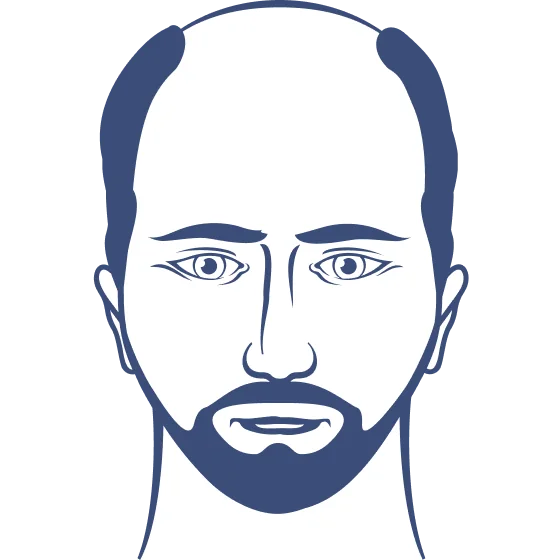
Visible change may be minimal; temporary shedding can occur as follicles cycle.
Noticing a receding hairline, a thinning crown or more hair on your pillow? You can get a clinical assessment online. A UK-registered prescriber looks at your answers and decides whether treatment is right for you. If it is, a GPhC-registered UK pharmacy dispenses it and sends it in plain packaging.
For men aged 18 and over. Treatment isn’t suitable for everyone, and a prescriber makes the final decision.
Written by the Volumize clinical team. Clinically reviewed by Dr Fida Ul-Haq, Chief Medical Officer (GMC 7451089). Last reviewed: 28 November 2026 · Next review due: 28 November 2027 · Editorial policy
The most common cause is male pattern hair loss (androgenetic alopecia); about half of men have some by the age of 50. It runs in families. Hair follicles on the temples, crown and top of the head are sensitive to a hormone called DHT, so over time they shrink and grow thinner, shorter hairs. It usually progresses slowly, and it tends to respond best when it’s looked at early, while the follicles are still producing hair.
Not all hair loss is pattern hair loss. Shedding after illness, surgery, major stress or rapid weight loss usually settles once the trigger has passed. Iron deficiency, thyroid problems and some medicines can also cause thinning. That’s why understanding the cause comes before any decision about treatment.
A mature hairline, which shifts slightly as you get older, is normal. Our guide explains how to tell a mature hairline from a receding one.
You only pay if treatment is approved. When you submit your assessment, we place a temporary hold on your card. We take payment only if a prescriber approves treatment. If treatment isn’t suitable, the hold is released and you’re not charged, and we’ll explain why and where to go next.
There’s no permanent cure for pattern hair loss, but there are clinically studied prescription treatments that a prescriber may consider for you. Some work on the hormone involved, and others on the hair growth cycle. Which option, if any, is suitable depends on your assessment, and your prescriber explains the benefits, risks and possible side effects before you start.
You can read general information about how these treatments work in our medicine guides (see Further reading).
See your GP or a dermatologist in person if:
These can point to conditions that need a different treatment.
Yes, if a UK-registered prescriber decides it’s suitable after an online assessment. Treatment is then dispensed by a GPhC-registered UK pharmacy.
Not usually for typical male pattern hair loss. If your hair loss is sudden, patchy or comes with scalp symptoms, see your GP or a dermatologist in person instead.
Hair grows about a centimetre a month, so changes take time. Shedding usually slows first; any new growth tends to become visible after several months, and results are best judged at around 12 months.
All medicines can have side effects. Your prescriber checks your health history before prescribing, explains the risks, and you can message the clinical team at any time. If you have serious side effects, stop and get medical advice straight away.
We place a temporary hold on your card when you submit your assessment, and take payment only if a prescriber approves treatment.
The card hold is released and you’re not charged. The prescriber explains why and suggests a next step, such as seeing your GP.
No. Hats, frequent washing and styling products don’t cause pattern hair loss; it’s driven by genes and DHT.
General information, not a substitute for advice from your own doctor. Sources: NHS; International Society of Hair Restoration Surgery (ISHRS); MHRA Drug Safety Update (May 2026).
Give your routine time. Progress is gradual and everyone responds differently.
Visible change may be minimal; temporary shedding can occur as follicles cycle.
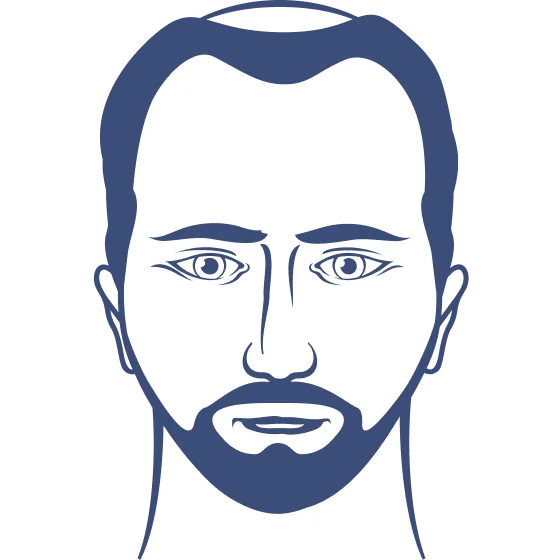
Shedding often settles; early thickening may appear.
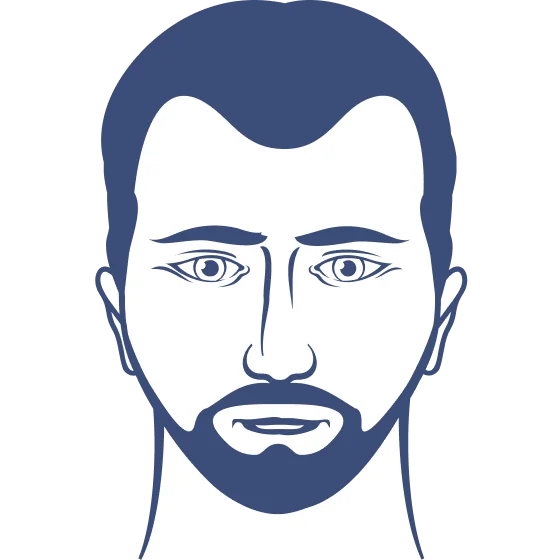
Many responders notice fuller coverage; continued use helps maintain results. Varies by person.
Take regular photos in similar lighting and bring them to your progress review.
A UK-registered prescriber reviews your answers and decides whether treatment is suitable. You only pay if treatment is approved.
Start a hair loss assessmentFor men aged 18 and over. Treatment isn’t suitable for everyone, and a prescriber makes the final decision.